Home Selling Process
Selling your home in Indiana doesn’t have to feel overwhelming. When you understand each step ahead of time — from preparing your home and pricing it strategically to negotiating offers and closing the sale — the process becomes much easier to navigate. This guide walks you through what to expect so you can sell with confidence.
Decide When You’re Ready to Sell
1
The first step in selling your home is deciding whether the timing is right for you. You may be moving for work, upsizing, downsizing, relocating, or simply ready for a change. Before listing, it helps to think through your timeline, your next move, and what you hope to walk away with from the sale.

Meet With a Real Estate Agent
2
Partnering with a local real estate agent gives you a clearer picture of your home’s value, the current market, and the best strategy for getting strong results. Your agent can help you understand pricing, timing, competition, and what buyers in your area are looking for. Having expert guidance from the start can make the entire process smoother and more profitable.

Price Your Home Strategically
3
Pricing your home correctly is one of the most important parts of the selling process. A strong price should reflect the local market, the condition of your home, recent comparable sales, and buyer demand in your area. The right pricing strategy can help attract serious interest early and improve your chances of getting a strong offer.

Prepare Your Home for the Market
4
Before listing, it is important to make your home look its best. This may include cleaning, decluttering, small repairs, touch-ups, landscaping, and staging. First impressions matter, and preparing your home well can help it stand out online and in person.

Complete Seller Disclosures
5
In Indiana, sellers of most 1–4 unit residential properties generally must complete a Seller’s Residential Real Estate Sales Disclosure and provide it to a prospective buyer before an offer is accepted. This form is used to disclose the seller’s known information about the property’s condition. Being thorough and honest during this step helps create transparency and can reduce surprises later in the transaction.

List Your Home for Sale
6
Once the home is ready, your property goes live on the market. Your agent will typically coordinate professional photography, listing descriptions, marketing, and exposure to buyers online and through the local market. This is when your home becomes visible to potential buyers and showings begin.
Show the Home to Buyers
7
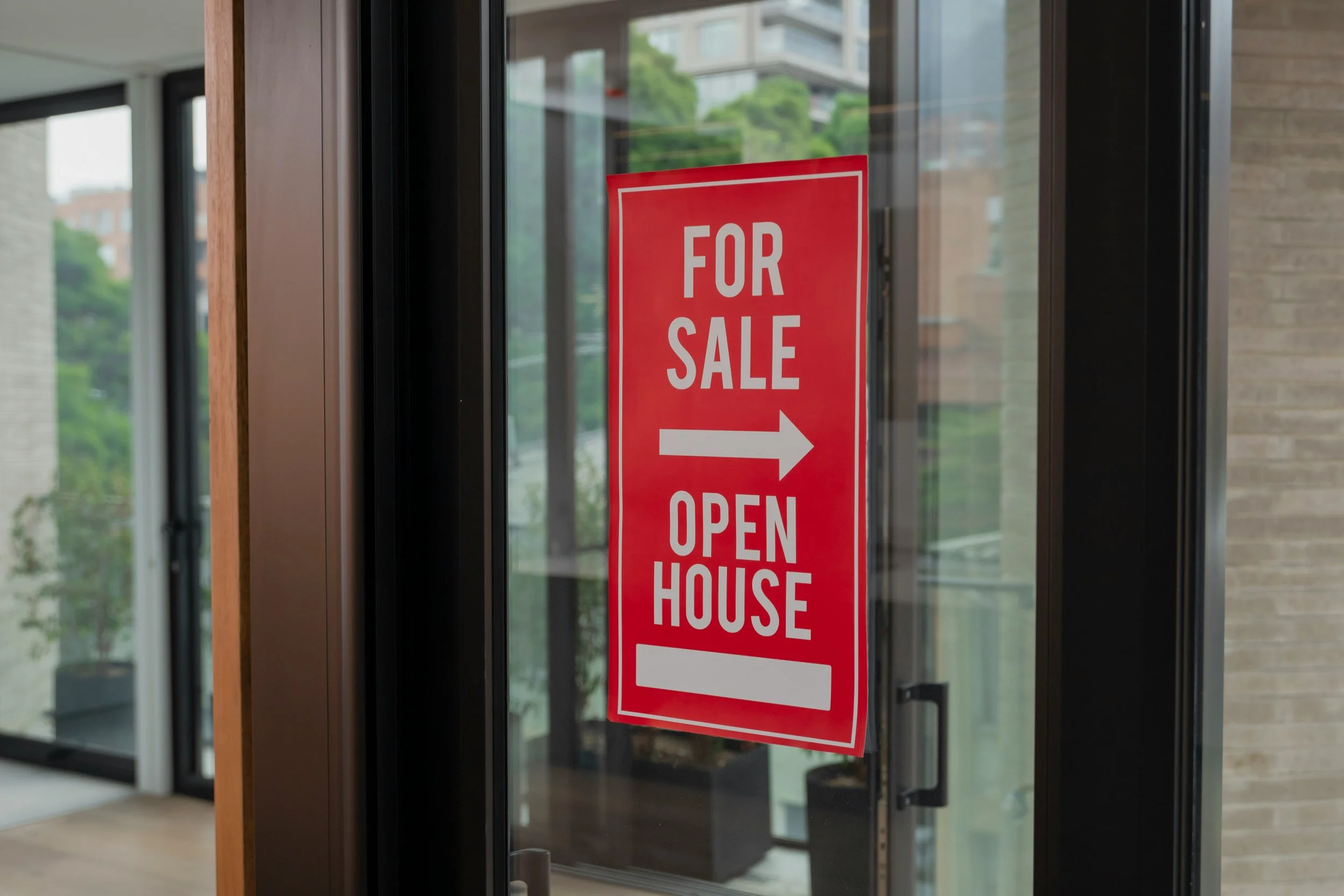
After your home is listed, buyers may request private showings or attend open houses. During this stage, it helps to keep the home clean, bright, and easy to access whenever possible. The easier it is for buyers to view the property, the better your chances of generating strong interest.

Review and Negotiate Offers
8
When offers come in, you and your agent will review not just the price, but also the financing terms, contingencies, requested closing date, and any special conditions. Indiana administrative rules require written offers to be communicated to the seller for formal acceptance or rejection. Sometimes the strongest offer is not simply the highest one — it is the one with the best overall terms and likelihood of closing smoothly.

Accept an Offer and Go Under Contract
9
Once you accept an offer, the home is officially under contract. At this point, the buyer will usually deliver earnest money and begin working through inspections, financing, appraisal, and title review. While the sale is not finished yet, the contract sets the framework for the rest of the transaction.

Navigate Inspections and Repair Requests
10
Most buyers will schedule a home inspection after the contract is signed. If the inspection reveals concerns, the buyer may ask for repairs, credits, or other adjustments. This is a normal part of the process, and your agent can help you negotiate a fair response that keeps the transaction moving forward.

Work Through Appraisal, Title, and Closing Details
11
If the buyer is financing the purchase, their lender will usually require an appraisal. At the same time, the title company will review the property’s title history and prepare the transaction for closing. In many Indiana transactions, this stage also includes coordinating final figures, required documents, and transfer-related paperwork. Indiana guidance also notes that conveyance documents generally require a Sales Disclosure Form before the county auditor accepts them for recording.

12
Prepare for Closing
As closing approaches, you’ll work through final paperwork, confirm your move-out plan, and make sure any agreed repairs or terms have been completed. Buyers are also commonly advised to do a final walk-through before closing to verify the property condition and confirm that agreed items remain in place.

Sign Closing Documents
13
Closing is the final step where the necessary documents are signed and the sale is completed. If the buyer is using a mortgage, federal rules generally require the buyer to receive their Closing Disclosure at least three business days before closing. On closing day, funds are transferred, paperwork is finalized, and ownership officially changes hands.

14
Hand Over the Keys
Once the transaction is complete, you hand over the keys and the home officially belongs to the buyer. This is the finish line of the selling process — the point where everything comes together and you move on to your next chapter with confidence.